
PULSE Biohacking offers medically guided hormone pellet therapy for appropriate adults who are exploring a longer-lasting method of hormone delivery.
Treatment begins with an individualized evaluation to determine whether hormone therapy is appropriate and whether pellets make sense for your needs.
PULSE Biohacking in Winchester, Virginia offers hormone pellet therapy as one potential method of delivering bioidentical hormones for appropriately evaluated patients.
Pellets are small hormone-containing implants placed beneath the skin, where they gradually release medication over time. They differ from treatment methods that may require daily creams, patches, oral medication, or periodic self-administered injections.
The fact that pellets are convenient does not automatically make them the right option for everyone. PULSE begins with a medical evaluation so your provider can determine whether hormone therapy is appropriate and discuss which delivery method may make sense for your health history, treatment goals, and individual circumstances.
New to hormone therapy? Learn about Bioidentical Hormone Replacement Therapy.
Most people searching for pellet therapy are not simply asking what a pellet is. They are trying to solve practical questions such as:
Do I have to remember a treatment every day?
How often will I need treatment?
Will my hormone levels fluctuate between doses?
How does a pellet compare with an injection or topical hormone?
What happens if the dose needs to change?
How much monitoring is involved?
What does pellet placement actually feel like?
Can women and men both use pellets?
This section should acknowledge that convenience is one reason people investigate pellets while making clear that convenience is only one part of the clinical decision.
Hormone pellets are small implants containing hormone medication. They are placed beneath the skin by a qualified healthcare professional and gradually release medication as the pellet dissolves. Pellets are one delivery method within the larger category of hormone replacement therapy. They are not the definition of BHRT itself.
Bioidentical hormones can also be delivered through other formulations, including certain:
Patches
Gels
Creams
Injections
Oral or vaginal formulations
The appropriate options depend on the hormone involved, the patient's medical history, treatment goals, and clinical situation.
Pellet does not automatically mean safer or better.
Those distinctions should be made clearly on the page.
PULSE Biohacking uses PurePell as part of its hormone pellet therapy offering.
PurePell describes its pellet program as involving:
PurePell states that its pellets are prepared through compounding pharmacies and customized according to the treating provider’s prescription.
Confirm:
Do not publish PurePell’s broader claims about pellets preventing cancer, Alzheimer’s disease, diabetes, arthritis, or being inherently safer than other hormone therapies. Those claims appear on PurePell’s public materials but should not be transferred to PULSE without appropriate clinical and legal substantiation.
Use a five-step visual process.
Start with what you have noticed, your health history, medications, previous hormone use, concerns, and treatment goals.
Laboratory testing may be used to answer specific clinical questions and establish appropriate baseline information. A laboratory value should be interpreted in the context of the whole evaluation rather than treated as an automatic reason to prescribe hormone therapy.
If hormone therapy may be appropriate, your provider should explain the available treatment options and discuss why pellets may or may not make sense compared with another delivery method.
If pellet therapy is selected, the hormone pellet is inserted beneath the skin during an in-office procedure.
Follow-up may include symptom review, evaluation for side effects, laboratory testing when appropriate, and discussion of whether future treatment should remain the same or change.
Hormone pellets are inserted beneath the skin by a healthcare professional. The page should explain PULSE’s actual process once confirmed, including:
Where PULSE typically places the pellet
How the area is prepared
Whether local anesthetic is used
Whether an incision is required
How the insertion site is covered
Any activity restrictions afterward
What patients should watch for as the insertion site heals
This is a major search question and should be answered directly. The duration of pellet therapy varies based on the product, hormone, individual metabolism, prescribed dose, and other clinical factors.
PurePell’s public materials describe typical treatment intervals of approximately 3 to 4 months for women and 5 to 6 months for men, while another PurePell page describes durations of up to approximately four months for women and six months for men.
This is one of the most important sections on the page.
Use a simple comparison table.
| Method | How It Is Used | Practical Consideration |
|---|---|---|
| Pellets | Inserted beneath the skin | Longer treatment interval, but medication cannot simply be stopped immediately once implanted |
| Injections | Given at scheduled intervals | Dosing can be adjusted between treatments depending on the medication |
| Creams/Gels | Applied regularly | Requires consistent application and appropriate handling |
| Patches | Applied to the skin | Can be changed or discontinued more readily |
| Oral/Vaginal Options | Taken or used as prescribed | Availability depends on the hormone and clinical purpose |
After learning about several technologies, it can be tempting to ask which treatment is "best." That usually leaves out the most important part of the decision: what you are actually trying to address. The same treatment does not make sense for every skin concern, treatment area, or client. Factors that may be worth discussing include:
Your primary skin concern
The area you want treated
Your skin characteristics
Previous aesthetic treatments
Relevant health or skin history
Your expectations for treatment
How much recovery you are comfortable with
Whether pigmentation, texture, scarring, or laxity is the main priority
Whether there are reasons a particular procedure should not be considered
You also do not need to arrive at PULSE already knowing which procedure you want. An initial consultation gives you an opportunity to explain what you have noticed and what you hope to improve. From there, you can discuss the differences between the available technologies and which options may be worth considering.
The terminology surrounding skin resurfacing can become confusing quickly.
Here is a simple way to understand the treatment categories available at PULSE.
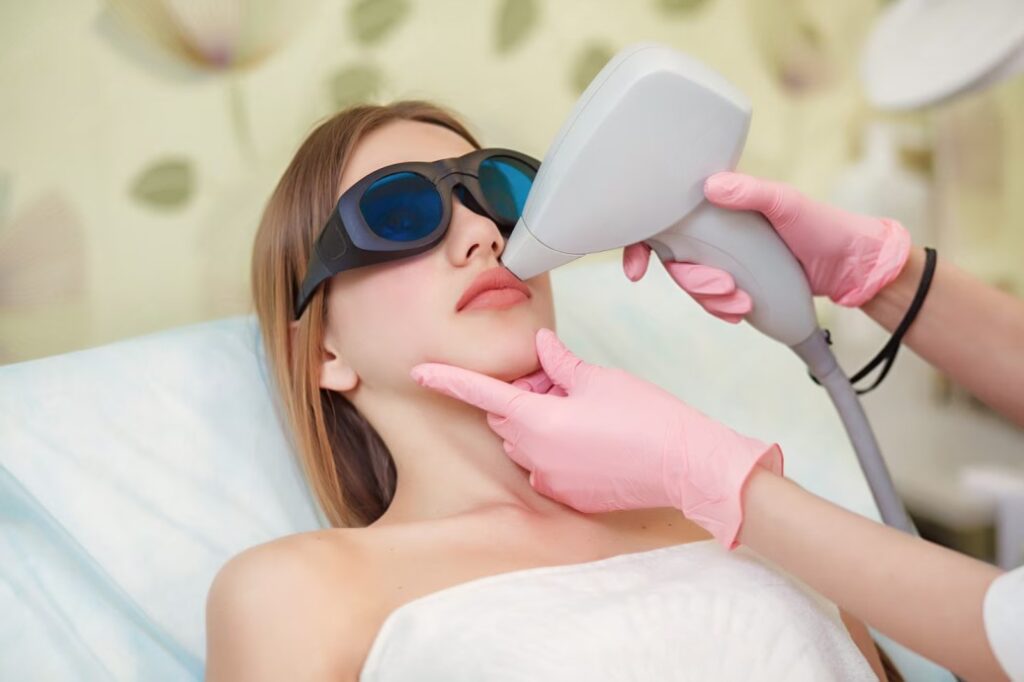
PicoLazer is the laser-based treatment within this group. Laser technologies use light energy, but different lasers can be designed for different purposes. The device being used and the concern being addressed both matter.
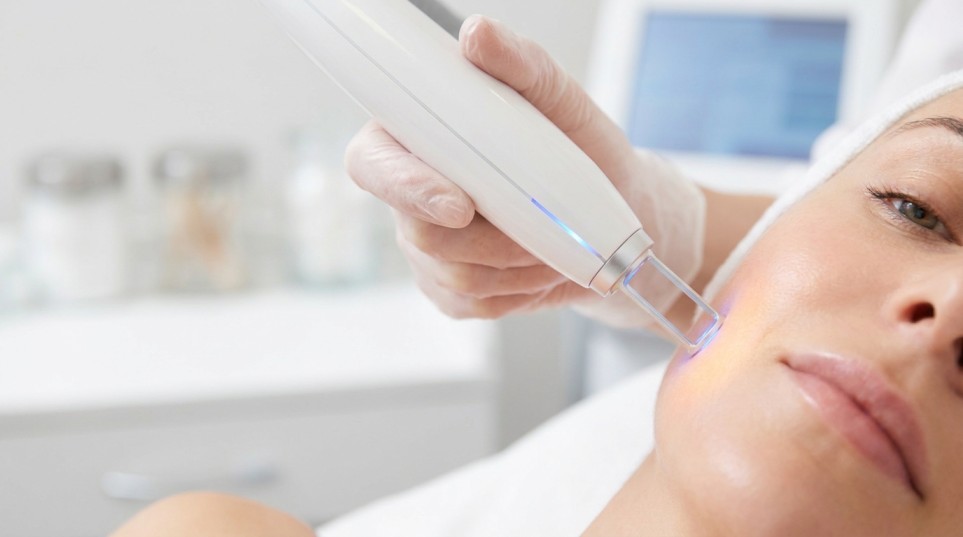
Pixel8 RF combines microneedling with radiofrequency energy. The microneedling component makes it different from other radiofrequency procedures that deliver energy using another treatment method.
Venus Viva also uses radiofrequency energy, but it is a separate resurfacing technology from Pixel8 RF. This is why the two procedures should be considered separately even though both contain "RF" in their descriptions.
Plasma Fibroblast uses plasma technology rather than conventional laser or RF microneedling. These distinctions help explain how the treatments differ. They do not determine which treatment is appropriate for a particular person.
One of the most important differences between resurfacing treatments is what happens before, during, and after the procedure. A laser treatment can involve different preparation and recovery considerations from RF microneedling. Plasma Fibroblast has its own treatment process. Venus Viva RF resurfacing also has treatment-specific expectations. Even within a particular procedure, the experience can vary based on the treatment area, treatment intensity, individual skin response, and other factors. Before choosing a procedure, it is reasonable to ask:
Treatment instructions should be specific to the procedure being considered rather than based on one general skin resurfacing timeline.

Having several technologies available creates an opportunity to begin the conversation with the skin concern rather than automatically beginning with a machine.
That does not mean more treatment choices automatically produce better outcomes.
It simply means there are different approaches available to discuss.
At PULSE Biohacking in Winchester, the resurfacing category includes laser technology, RF microneedling, radiofrequency skin resurfacing, and plasma-based treatment.
Maybe pigmentation is what bothers you most.
Maybe it is acne scarring.
Maybe you are more concerned about texture or visible pores.
Maybe changes in firmness have become the priority.
Or perhaps several things are contributing to the way your skin looks and you are not sure where to start.
You do not need to determine the treatment yourself before requesting a consultation.
Not every client will be an appropriate candidate for every resurfacing procedure.
Treatment decisions may depend on individual skin characteristics, the treatment area, health history, medications, current skin conditions, previous procedures, and other relevant factors.
A webpage cannot determine candidacy.
It is also important to approach resurfacing treatments with realistic expectations. A procedure may be intended to improve the appearance of a particular concern without eliminating it completely. Individual experiences and results can vary.
Before moving forward with any procedure, make sure you understand:
A consultation gives you an opportunity to ask these questions before making a treatment decision.
You do not need to prepare a technical explanation of your skin before contacting PULSE.
Start with what you see and what you would like to change.
You may be concerned about pigmentation that has become more noticeable. You may have acne scars that remain after active acne has improved. Texture, fine lines, visible pores, or skin firmness may be the priority.
You may also arrive already interested in PicoLazer, Pixel8 RF, Plasma Fibroblast, or Venus Viva RF Skin Resurfacing.
Bring those questions to the consultation.
The conversation can help clarify how the available treatments differ and what additional information should be considered before choosing a procedure.
This is also a good time to ask about practical considerations such as preparation, recovery, treatment timing, aftercare, and what happens next if you decide to proceed.
PULSE Biohacking provides aesthetic services from its Winchester, Virginia location.
For clients researching laser and skin resurfacing locally, having several treatment technologies available allows the conversation to begin with the concern you want to address rather than requiring you to choose a device first.
You can learn the basic differences between laser, RF microneedling, RF resurfacing, and plasma technology, then use your consultation to discuss which approaches may be relevant to your goals.
No. Skin resurfacing is a broader treatment category.
Within the services available at PULSE, PicoLazer is laser based. Pixel8 uses microneedling with radiofrequency energy. Venus Viva uses radiofrequency resurfacing technology, while Plasma Fibroblast uses plasma technology.
Both treatments use radiofrequency energy, but they are separate procedures.
Pixel8 RF combines microneedling with radiofrequency energy. Venus Viva is used for PULSE's RF Skin Resurfacing treatment.
A consultation can help explain how the technologies differ and why one approach may be discussed instead of another.
No.
Plasma Fibroblast uses plasma technology rather than conventional laser energy.
There is not one skin resurfacing treatment that should automatically be considered best for every pigmentation concern.
The appearance and type of pigmentation, skin characteristics, previous treatments, and other factors can affect the options worth discussing.
Acne scarring is one reason people research resurfacing treatments.
The characteristics of the scar and surrounding skin can affect which approaches may be appropriate to consider, so acne scarring alone does not determine the treatment.
There is no single downtime estimate for every procedure in this category.
Recovery can depend on the specific technology, treatment area, treatment intensity, individual response, and other factors.
Ask about recovery expectations for the particular procedure being considered.
No.
You can start with the skin concern you would like to discuss.
If you already have questions about one of the available treatments, bring those questions with you. If you do not know which technology you are interested in, the consultation can help you understand the differences between your options.
You do not have to choose between laser, RF microneedling, radiofrequency resurfacing, and plasma treatment before contacting PULSE Biohacking.
Start with what you would like to improve.
Whether your questions involve pigmentation, texture, acne scarring, fine lines, visible pores, firmness, or another aesthetic concern, an initial consultation gives you an opportunity to explain what you are noticing and learn more about the treatment options available in Winchester.
From there, you can decide whether a particular treatment is worth exploring further.