Frequently Asked Questions
What are the benefits of chemical peels?
The benefits of chemical peels include improved skin texture, reduced wrinkles and fine lines, diminished scars, and enhanced overall skin rejuvenation. These treatments can help you achieve a more youthful and radiant complexion.
How can I book a consultation for a chemical peel?
Booking a consultation for a chemical peel at PULSE Biohacking is easy. Simply visit our website or call our Winchester, VA location to schedule your appointment and explore personalized treatment options.
What skin issues can chemical peels address?
Chemical peels can address various skin issues, including fine lines, wrinkles, acne scars, uneven skin tone, and texture irregularities. They promote skin rejuvenation, revealing a smoother and more youthful complexion.
How often should I get a chemical peel?
The frequency of chemical peels depends on your skin type and treatment goals. Generally, it's recommended to schedule a chemical peel every 4 to 6 weeks for optimal results. Consult with our specialists at PULSE Biohacking for personalized advice.
Are chemical peels safe for all skin types?
Chemical peels can be safe for various skin types, but individual assessments are crucial. Consulting with a professional at PULSE Biohacking ensures that the treatment is tailored to your specific skin needs and concerns.
What should I expect during a chemical peel?
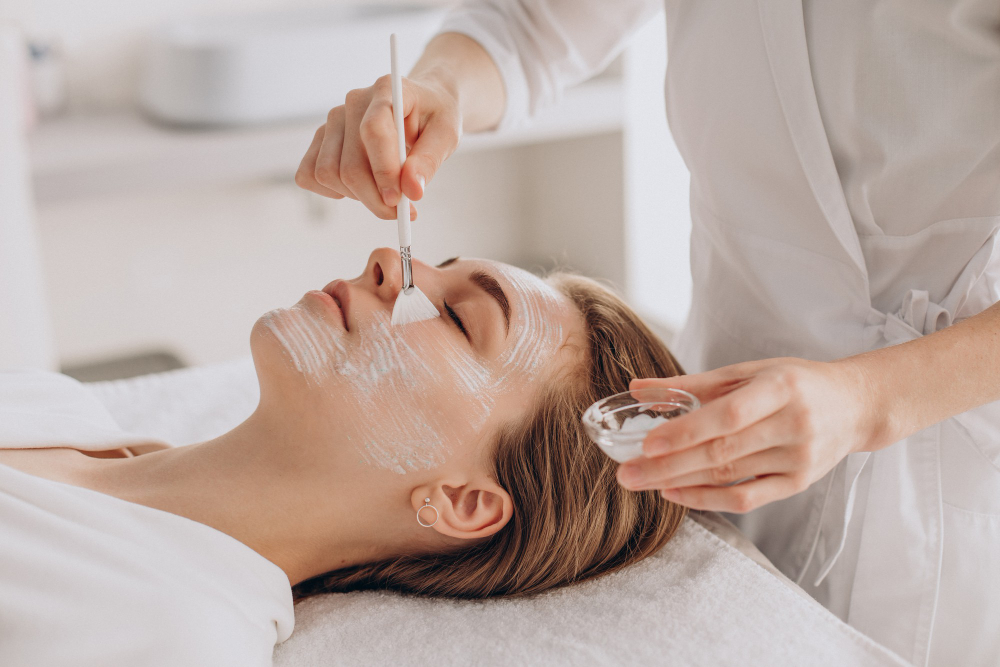
During a chemical peel, you can expect a thorough skin cleansing, application of the chemical solution, and a sensation that may range from mild tingling to a slight burning. Post-treatment, your skin may appear red and feel sensitive, similar to a sunburn.
How long is the recovery time after a peel?
The recovery time after a chemical peel varies based on the peel's depth. Generally, mild peels require minimal downtime, while deeper peels may take up to two weeks for complete healing.
Can chemical peels help with acne scars?
Chemical peels can effectively help with acne scars. They work by exfoliating the skin, promoting cell turnover, and stimulating collagen production, which can significantly improve the appearance of scars and enhance overall skin texture.
What is the cost of a chemical peel?
The cost of a chemical peel varies based on the type and depth of the peel, typically ranging from $150 to $600. For personalized pricing and treatment options, we recommend booking a consultation at PULSE Biohacking.
Are there different types of chemical peels available?
There are different types of chemical peels available, including superficial, medium, and deep peels, each designed to address specific skin concerns and provide varying levels of exfoliation and rejuvenation.
How do I prepare for a chemical peel?
Preparing for a chemical peel involves several key steps: avoid sun exposure, discontinue certain skincare products like retinoids, and consult with your provider for personalized instructions to ensure optimal results.
What aftercare is needed post-chemical peel?
Aftercare needed post-chemical peel includes keeping the skin hydrated, avoiding direct sun exposure, and using gentle cleansers. It's also important to apply sunscreen daily and refrain from using harsh products until your skin fully heals.
Can I combine chemical peels with other treatments?
Combining chemical peels with other treatments can enhance your skin rejuvenation results. However, it's essential to consult with our specialists at PULSE Biohacking to determine the best combination tailored to your skin's needs.
How do chemical peels improve skin texture?
Chemical peels improve skin texture by exfoliating the outer layers of skin, promoting cell turnover, and stimulating collagen production. This process helps to reduce fine lines, scars, and uneven skin tone, resulting in a smoother and more radiant complexion.
What results can I expect from a chemical peel?
The results you can expect from a chemical peel include improved skin texture, reduced wrinkles, diminished scars, and a brighter, more youthful complexion. These transformative effects can enhance your overall appearance and boost your confidence.
Are chemical peels effective for hyperpigmentation?
Chemical peels are effective for treating hyperpigmentation. They work by exfoliating the skin, promoting cell turnover, and reducing dark spots, resulting in a more even skin tone and improved overall appearance.
How do I choose the right chemical peel?
Choosing the right chemical peel involves assessing your skin type, concerns, and desired outcomes. Consulting with a professional at PULSE Biohacking will help you select the most suitable peel for effective skin rejuvenation tailored to your needs.
What ingredients are commonly used in chemical peels?
The ingredients commonly used in chemical peels include alpha hydroxy acids (AHAs) like glycolic acid, beta hydroxy acids (BHAs) such as salicylic acid, and trichloroacetic acid (TCA). These components effectively exfoliate the skin, promoting rejuvenation and improved texture.
Can I wear makeup after a chemical peel?
Wearing makeup after a chemical peel is generally not recommended for at least 24 to 48 hours. This allows your skin to heal properly and reduces the risk of irritation. Always follow your practitioner’s specific aftercare instructions for the best results.
How do chemical peels compare to laser treatments?
Chemical peels and laser treatments both enhance skin rejuvenation, but they differ in technique and results. Chemical peels exfoliate the skin using acids to improve texture and tone, while laser treatments target specific skin concerns with light energy, offering deeper penetration for issues like scars and pigmentation.
What are the side effects of chemical peels?
The side effects of chemical peels may include redness, peeling, and temporary sensitivity in the treated area. Most effects are mild and subside quickly, but it’s essential to follow post-treatment care for optimal results.
How do I know if I need a chemical peel?
Determining if you need a chemical peel involves assessing your skin concerns, such as uneven texture, wrinkles, or scars. A consultation at PULSE Biohacking can help identify if this treatment is right for your skin rejuvenation goals.
Can chemical peels reduce fine lines and wrinkles?
Chemical peels can effectively reduce fine lines and wrinkles. By exfoliating the skin and promoting collagen production, these treatments enhance skin texture and firmness, resulting in a smoother, more youthful appearance.
What is the best time of year for peels?
The best time of year for chemical peels is typically during the fall and winter months. This allows your skin to heal and rejuvenate without the risk of sun exposure, enhancing the results of your treatment.
How do I find a qualified provider for peels?
Finding a qualified provider for peels involves researching local med spas, checking credentials, and reading reviews. Look for professionals with experience in chemical peels and consult their portfolios to ensure they align with your skin rejuvenation goals.
What is the difference between superficial and deep peels?
The difference between superficial and deep peels lies in their depth of skin penetration. Superficial peels target the outermost layer for mild exfoliation, while deep peels penetrate further to address more severe skin issues, offering more dramatic results.
How do chemical peels promote skin rejuvenation?
Chemical peels promote skin rejuvenation by exfoliating the outer layer of dead skin cells, stimulating collagen production, and enhancing cell turnover. This process helps reduce wrinkles, scars, and improves overall skin texture, resulting in a more youthful appearance.
Can I get a chemical peel while pregnant?
Chemical peels during pregnancy are generally not recommended. It's best to consult with your healthcare provider to discuss safe skincare options that won't affect you or your baby.
What should I avoid before a chemical peel?
Before a chemical peel, you should avoid sun exposure, harsh skincare products, and certain medications like retinoids or glycolic acid. These precautions help ensure optimal results and minimize the risk of complications.
How do I maintain results after a chemical peel?
Maintaining results after a chemical peel involves a consistent skincare routine, including gentle cleansing, moisturizing, and using sunscreen daily. Additionally, avoid harsh products and follow any specific aftercare instructions provided by your practitioner for optimal results.