Frequently Asked Questions
How does fibroblast skin tightening work?
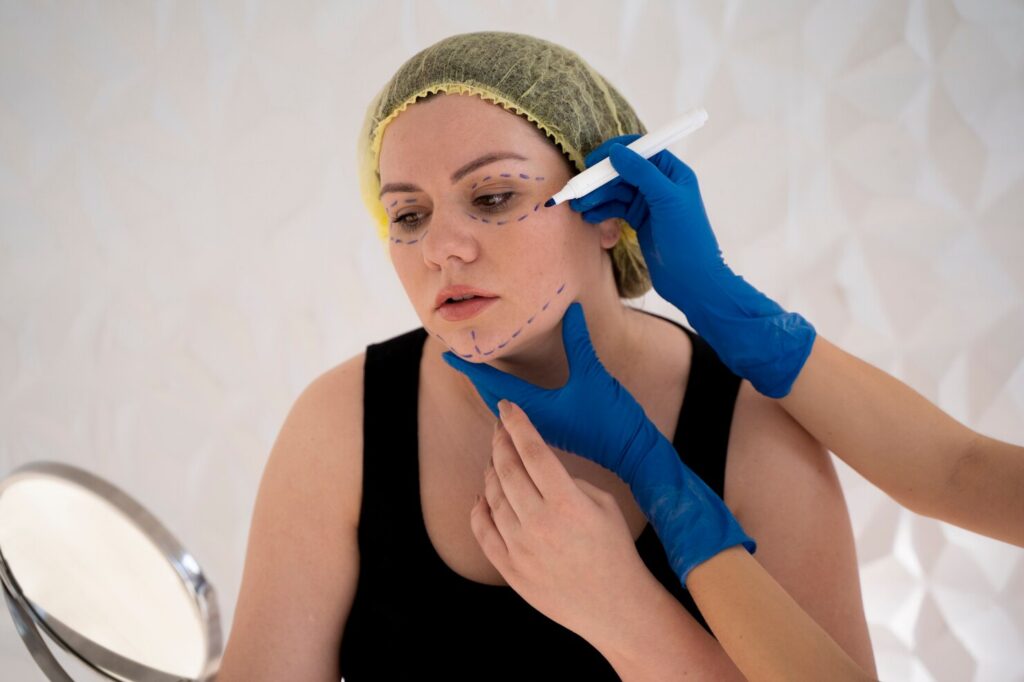
Fibroblast skin tightening works by utilizing the Plasma Pen to create controlled micro-injuries in the skin. This stimulates collagen production and promotes skin tightening, resulting in a more youthful appearance without invasive surgery.
What is fibroblast skin tightening treatment?
Fibroblast skin tightening treatment is a non-invasive procedure that utilizes the Plasma Pen to stimulate collagen production, resulting in tighter, smoother skin. This innovative technique effectively addresses wrinkles and sagging, promoting youthful skin rejuvenation.
Does fibroblast skin tightening really work?
Fibroblast skin tightening is an effective treatment that utilizes the Plasma Pen to stimulate collagen production, leading to noticeable skin tightening and rejuvenation. Many clients report satisfying results, making it a popular choice for non-invasive skin care.
Is fibroblast skin tightening safe?
Fibroblast skin tightening is a safe procedure when performed by trained professionals. It utilizes the Plasma Pen to stimulate collagen production, resulting in non-invasive skin rejuvenation with minimal risks and downtime.
Is plasma skin tightening worth it?
The value of plasma skin tightening lies in its ability to provide non-invasive skin rejuvenation with minimal downtime. Many clients experience noticeable improvements in skin texture and firmness, making it a worthwhile investment for those seeking youthful, radiant skin.
Fibroblast plasma skin tightening how long does it last?
The longevity of Fibroblast plasma skin tightening results typically lasts between 1 to 3 years, depending on individual skin types and care routines. Regular maintenance can help prolong the effects of the treatment.
What results can I expect from fibroblast treatment?
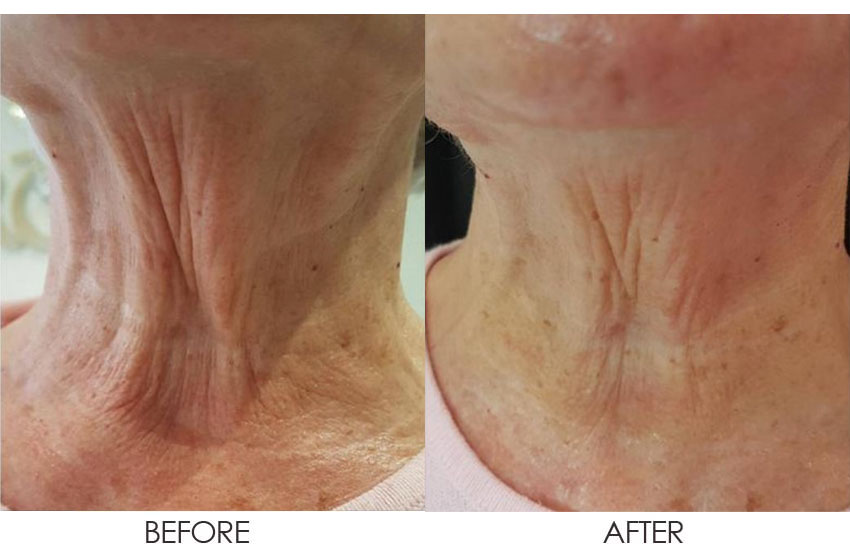
The results you can expect from fibroblast treatment include noticeable skin tightening, improved texture, and reduced wrinkles, leading to a more youthful appearance. Many clients see significant improvements within a few weeks post-treatment.
How long does fibroblast skin tightening take?
The duration of fibroblast skin tightening procedures typically takes about 1 to 2 hours, depending on the treatment area and individual needs. This non-invasive process allows for effective skin rejuvenation with minimal downtime.
What areas can fibroblast treatment target?
The areas that fibroblast treatment can target include the face, neck, décolletage, and various body parts, effectively addressing skin laxity, fine lines, and wrinkles for a rejuvenated appearance.
Are there side effects of fibroblast skin tightening?
The side effects of fibroblast skin tightening may include temporary redness, swelling, and minor discomfort at the treatment site. These effects typically resolve within a few days, making it a safe non-invasive option for skin rejuvenation.
How often should I get fibroblast treatments?
The frequency of fibroblast treatments depends on individual skin needs and desired results. Generally, sessions can be scheduled every 6 to 12 weeks for optimal skin rejuvenation and maintenance.
What is the recovery time for fibroblast treatment?
The recovery time for fibroblast treatment typically ranges from 5 to 10 days, during which you may experience some swelling and scabbing. Most clients can resume normal activities shortly after, but full healing may take a few weeks.
Can fibroblast treatment be combined with other procedures?
Fibroblast treatment can be effectively combined with other procedures to enhance overall results. Consult with our specialists at PULSE Biohacking to determine the best combination tailored to your skin rejuvenation goals.
What is the cost of fibroblast skin tightening?
The cost of fibroblast skin tightening varies based on individual treatment plans and areas being treated. At PULSE Biohacking, we offer competitive pricing tailored to your specific needs, ensuring you receive the best value for your rejuvenation journey.
How does plasma skin tightening differ from fibroblast?
Plasma skin tightening and fibroblast treatments are closely related but differ in their application. Plasma skin tightening focuses on tightening the skin using plasma energy, while fibroblast specifically refers to the use of the Plasma Pen to stimulate fibroblast activity for collagen production.
Who is a good candidate for fibroblast treatment?
A good candidate for fibroblast treatment is typically someone seeking non-invasive skin rejuvenation, particularly those with loose or sagging skin, fine lines, or wrinkles. Ideal candidates are generally in good health and have realistic expectations for their results.
What aftercare is needed post-fibroblast treatment?
Aftercare following fibroblast treatment is essential for optimal healing. It includes keeping the treated area clean, avoiding sun exposure, and refraining from using makeup or harsh products for at least a week to ensure proper recovery.
How does fibroblast treatment stimulate collagen production?
Fibroblast treatment stimulates collagen production by delivering controlled energy to the skin's surface, creating micro-injuries. This prompts the body’s natural healing response, leading to increased collagen and elastin synthesis, resulting in tighter, rejuvenated skin.
What technology is used in fibroblast skin tightening?
The technology used in fibroblast skin tightening is the Plasma Pen, which employs plasma energy to stimulate collagen production and tighten the skin non-invasively. This innovative technique effectively rejuvenates the skin, providing noticeable results.
Is fibroblast skin tightening suitable for all skin types?
Fibroblast skin tightening is suitable for most skin types. However, individual assessments are essential to determine the best approach based on skin condition and specific needs. Consulting with our specialists at PULSE Biohacking will ensure a personalized treatment plan.
How does fibroblast treatment compare to surgical options?
Fibroblast treatment offers a non-invasive alternative to surgical options, providing skin tightening and rejuvenation with minimal downtime and fewer risks. Unlike surgery, it requires no incisions, making recovery easier and results more accessible.
What should I know before getting fibroblast treatment?
Before getting fibroblast treatment, it's essential to know that it is a non-invasive procedure that requires no downtime, but you should be aware of potential side effects like redness or swelling. Consultation is recommended to discuss your skin type and goals.
How many sessions are needed for optimal results?
The number of sessions needed for optimal results with Plasma Fibroblast treatments typically ranges from one to three, depending on individual skin conditions and desired outcomes. Our specialists will assess your needs during the consultation to provide personalized recommendations.
What is the science behind fibroblast skin tightening?
The science behind fibroblast skin tightening involves the use of the Plasma Pen, which creates controlled micro-injuries to the skin. This stimulates collagen production, promoting natural skin tightening and rejuvenation without invasive surgery.
Can fibroblast treatment help with wrinkles and fine lines?
Fibroblast treatment is effective in reducing wrinkles and fine lines. By stimulating collagen production, this non-invasive procedure tightens the skin, resulting in a smoother and more youthful appearance.
What is the difference between plasma pen and laser?
The difference between the plasma pen and laser lies in their technology and treatment approach. The plasma pen uses plasma energy for non-invasive skin tightening, while lasers utilize light energy to target deeper skin layers, often resulting in more downtime.
How does fibroblast treatment affect skin elasticity?
Fibroblast treatment significantly improves skin elasticity by stimulating collagen and elastin production. This non-invasive procedure tightens the skin, enhancing its firmness and resilience, resulting in a more youthful appearance.
What should I expect during a fibroblast session?
During a fibroblast session, you can expect a non-invasive procedure where the Plasma Pen generates tiny plasma arcs to stimulate collagen production. The session typically lasts about an hour, followed by some mild redness and swelling that subsides quickly.
Are results from fibroblast treatment permanent?
The results from fibroblast treatment are not permanent. While many clients experience significant improvements that can last for several years, factors such as aging and lifestyle can influence the longevity of the effects. Regular maintenance may be needed to sustain results.
How does skin type affect fibroblast treatment outcomes?
Skin type significantly influences fibroblast treatment outcomes. Different skin types may respond variably to the Plasma Pen, affecting healing time and overall results. A thorough consultation helps tailor the treatment to your specific skin needs for optimal rejuvenation.