
Different skin concerns may call for different treatment approaches. PULSE Biohacking offers several laser and skin resurfacing options in Winchester for clients who want to address concerns involving skin tone, texture, pigmentation, fine lines, visible pores, scarring, or skin firmness.
Rather than choosing a treatment based on a device name alone, an initial consultation gives you an opportunity to discuss what you are noticing, what you would like to improve, and which available options may be worth considering.
You may already know the name of a treatment you are interested in. Or you may simply know that something about your skin has changed and you want to understand your options.
Both are reasonable places to start.
Some people begin researching skin resurfacing because areas of pigmentation or sun exposure have become more noticeable. Others are more concerned about uneven texture, acne scarring, fine lines, visible pores, or changes in skin firmness.
PULSE Biohacking in Winchester offers several approaches within this broader treatment category, including PicoLazer, Pixel8 RF, Plasma Fibroblast, and RF Skin Resurfacing.
These treatments do not all work in the same way.
Instead of starting with, “Which machine should I choose?” it can be more useful to begin with a simpler question:
What do I want to improve, and which treatment options should I discuss?
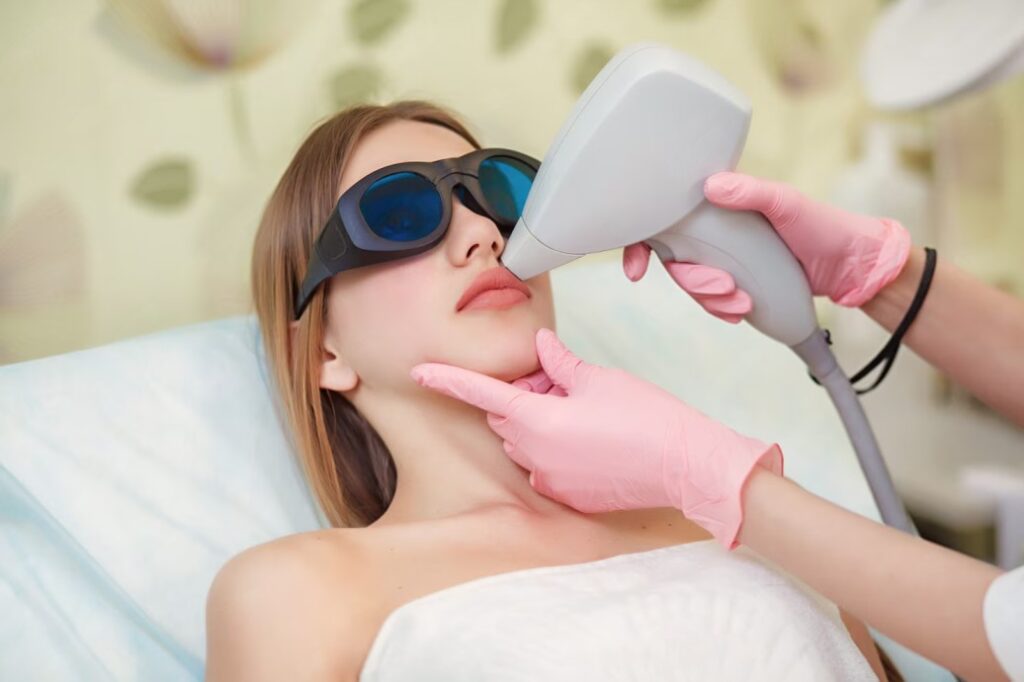

Skin resurfacing is a broad category of aesthetic treatments intended to address the appearance and quality of the skin.
Depending on the technology being used, someone may explore resurfacing because of concerns involving uneven texture, pigmentation, visible signs of aging, acne scarring, enlarged pores, or skin firmness.
Not every skin resurfacing treatment is a laser.
PicoLazer uses laser technology. Pixel8 RF combines microneedling with radiofrequency energy. Plasma Fibroblast uses plasma technology. RF Skin Resurfacing at PULSE uses Venus Viva radiofrequency technology.
Understanding these differences can make it easier to compare treatments and ask more informed questions during a consultation.
Discoloration can take different forms. Some people notice areas affected by sun exposure, uneven pigmentation, freckles, or other visible changes in tone. Because different types of pigmentation may call for different approaches, it is important to discuss what you are seeing rather than assuming every area of discoloration should be treated the same way.
Skin can begin to look rougher or less even for many reasons. Texture concerns may involve visible pores, irregularities in the surface of the skin, or areas that no longer appear as smooth as they once did. Several resurfacing technologies may be considered for texture-related concerns, but they work differently.
Acne may improve while textural changes or visible scars remain. Clients researching acne scar treatments may come across laser procedures, microneedling, radiofrequency treatments, and other resurfacing options. The characteristics of the scarring and the skin itself can affect which approaches may be worth discussing.
Fine lines and visible changes in skin quality can become more noticeable over time. Someone primarily interested in fine lines may have different priorities than someone focused on pigmentation, acne scars, or a specific area of uneven texture.
For some clients, changes in firmness are the primary concern. That may lead to questions about radiofrequency, RF microneedling, plasma-based procedures, and other aesthetic approaches. Similar-looking concerns do not automatically require the same treatment.
PULSE Biohacking offers several different technologies within this broader treatment category. Each has its own approach and may be considered for different skin concerns and treatment goals.
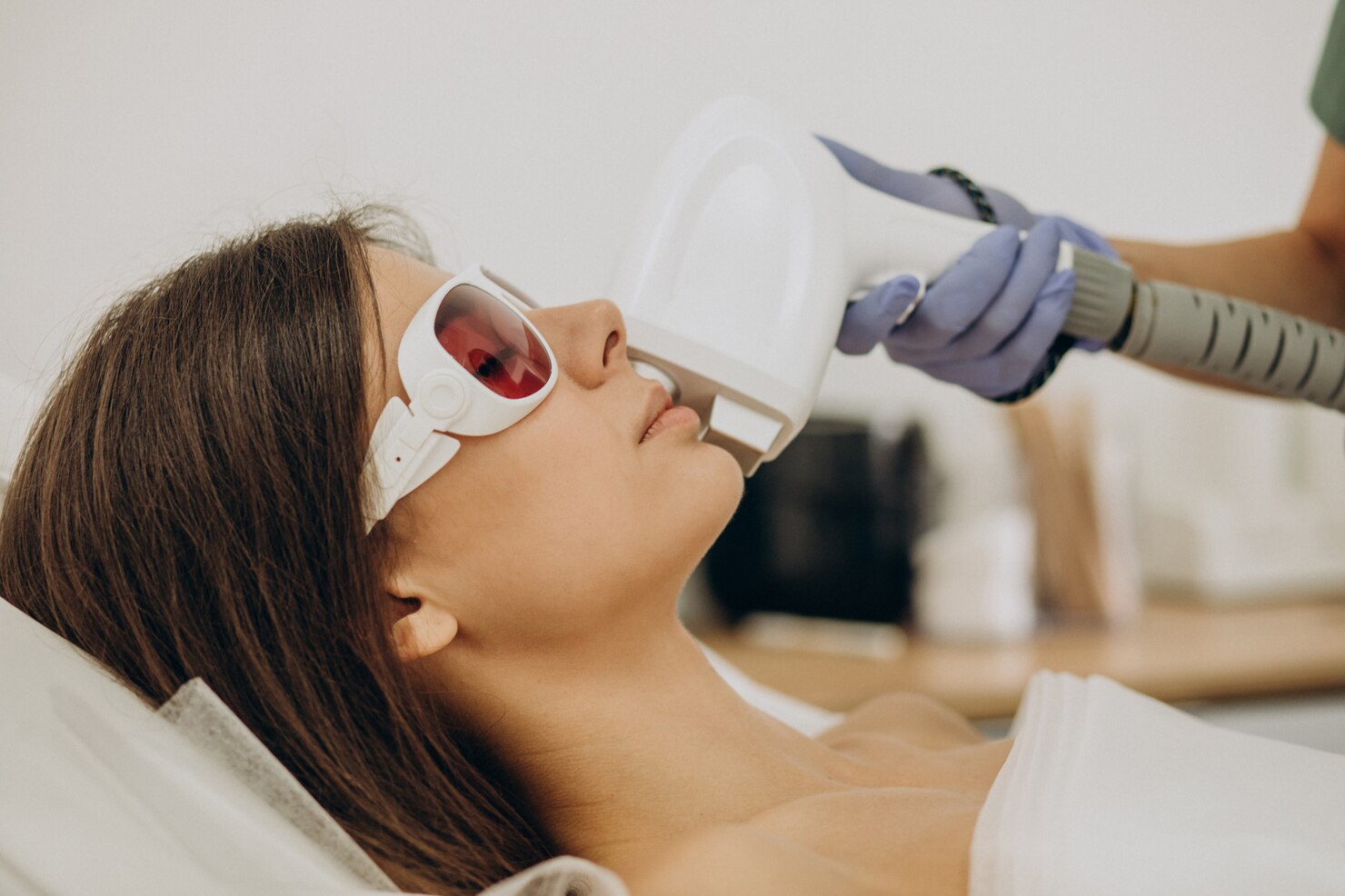
PicoLazer is the laser-based option within this group of treatments.
For clients researching skin resurfacing, the conversation may include concerns involving pigmentation, uneven tone, fine lines, acne scarring, or other visible changes in the skin.
Picosecond laser technology delivers very short pulses of laser energy. Someone may begin asking about PicoLazer when pigmentation is a significant concern or when they want to understand how a laser-based option differs from radiofrequency, microneedling, or plasma treatments.
A consultation can help determine whether a laser-based approach may be appropriate to consider based on the specific concern, skin characteristics, previous treatments, and treatment goals.

Pixel8 RF takes a different approach from laser resurfacing.
The treatment combines microneedling with radiofrequency energy. This makes it relevant to conversations involving concerns such as uneven texture, acne scarring, fine lines, and changes in skin firmness.
Someone researching Pixel8 RF may be interested in improving texture or firmness but may not understand how RF microneedling differs from a laser procedure or from PULSE’s separate RF Skin Resurfacing treatment.
Although Pixel8 RF and Venus Viva RF Skin Resurfacing both use radiofrequency energy, they are different technologies and should not be treated as interchangeable procedures.
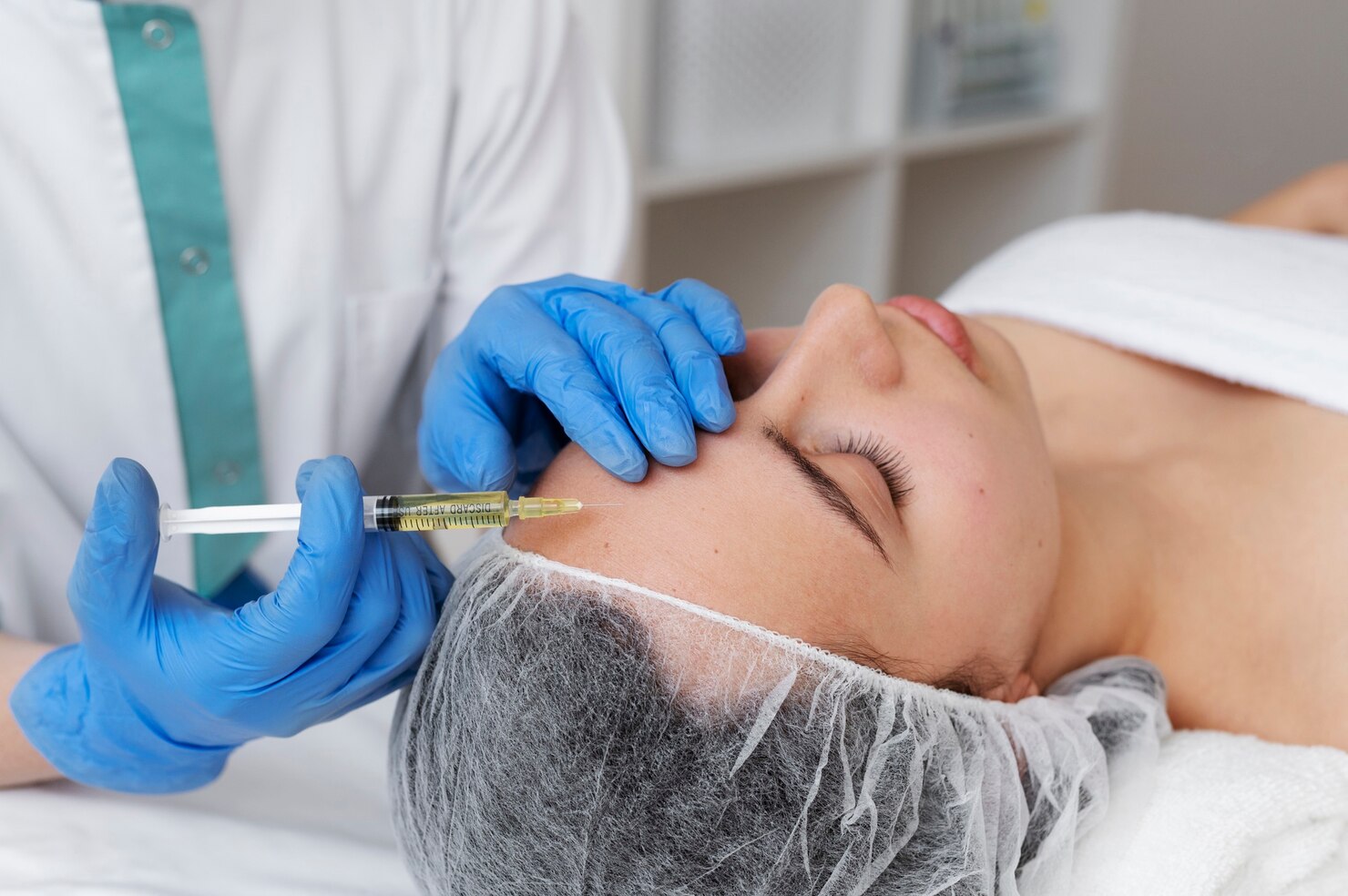
Plasma Fibroblast provides another approach for clients researching skin tightening and resurfacing.
Unlike PicoLazer, this is not a laser treatment. The procedure uses plasma technology and may be discussed when someone is particularly interested in targeted areas of skin laxity, texture, or other visible changes in the skin.
Because Plasma Fibroblast creates a different treatment experience from laser or radiofrequency procedures, questions about the treatment area, candidacy, expected skin response, recovery, and treatment goals should be discussed before deciding whether this option may be appropriate.
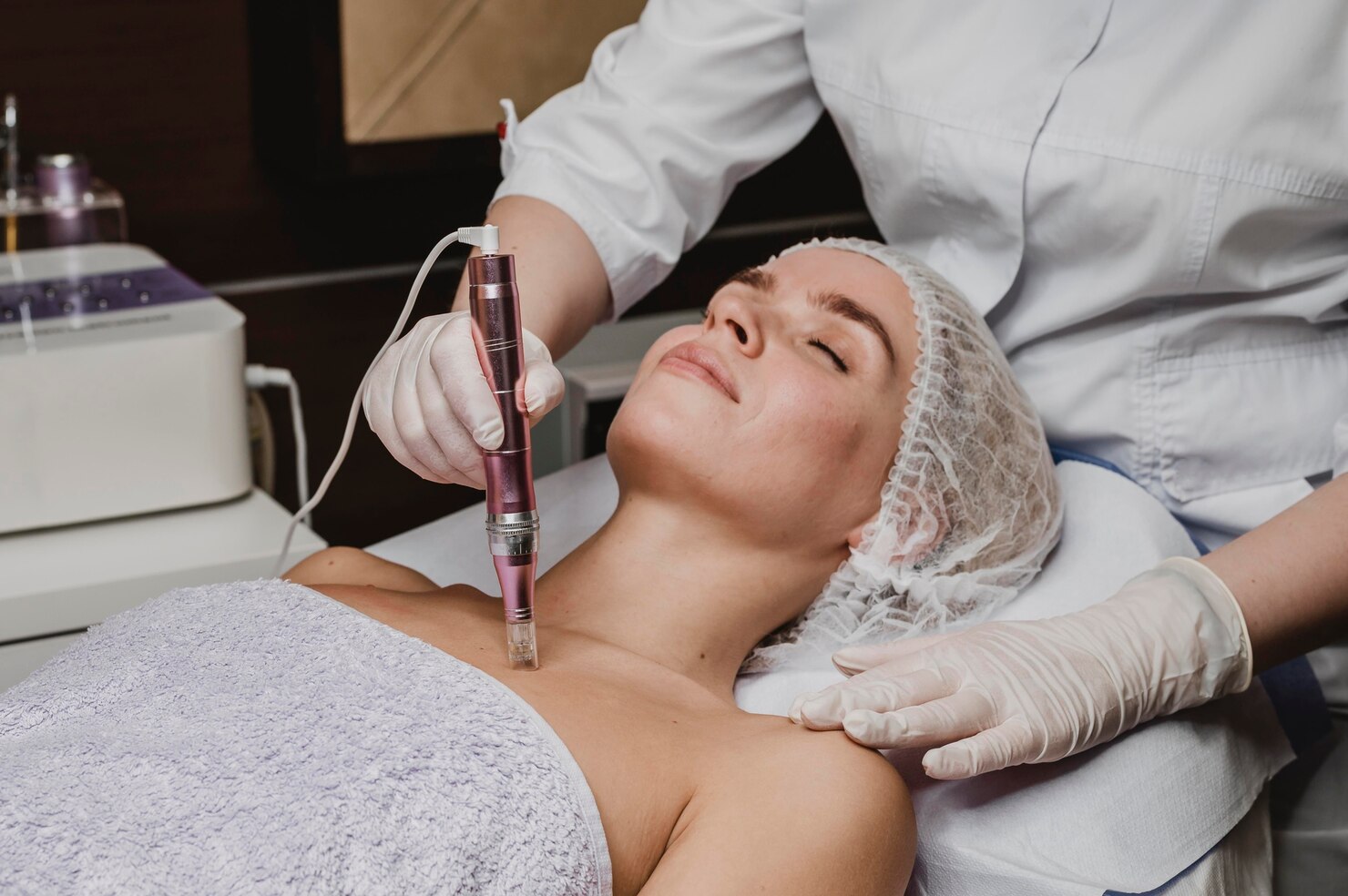
RF Skin Resurfacing at PULSE uses Venus Viva radiofrequency technology.
Clients may begin researching this option because of concerns involving uneven skin texture, fine lines, visible pores, scarring, or pigmentation.
Although Venus Viva and Pixel8 RF both involve radiofrequency energy, they are not the same procedure. Pixel8 combines microneedling with RF energy, while Venus Viva is PULSE’s separate RF skin resurfacing technology.
Understanding this distinction can help clients compare their options before going deeper into the individual treatment details.
After learning about several technologies, it can be tempting to ask which treatment is "best." That usually leaves out the most important part of the decision: what you are actually trying to address. The same treatment does not make sense for every skin concern, treatment area, or client. Factors that may be worth discussing include:
Your primary skin concern
The area you want treated
Your skin characteristics
Previous aesthetic treatments
Relevant health or skin history
Your expectations for treatment
How much recovery you are comfortable with
Whether pigmentation, texture, scarring, or laxity is the main priority
Whether there are reasons a particular procedure should not be considered
You also do not need to arrive at PULSE already knowing which procedure you want. An initial consultation gives you an opportunity to explain what you have noticed and what you hope to improve. From there, you can discuss the differences between the available technologies and which options may be worth considering.
The terminology surrounding skin resurfacing can become confusing quickly.
Here is a simple way to understand the treatment categories available at PULSE.
PicoLazer is the laser-based treatment within this group. Laser technologies use light energy, but different lasers can be designed for different purposes. The device being used and the concern being addressed both matter.
Pixel8 RF combines microneedling with radiofrequency energy. The microneedling component makes it different from other radiofrequency procedures that deliver energy using another treatment method.
Venus Viva also uses radiofrequency energy, but it is a separate resurfacing technology from Pixel8 RF. This is why the two procedures should be considered separately even though both contain "RF" in their descriptions.
Plasma Fibroblast uses plasma technology rather than conventional laser or RF microneedling. These distinctions help explain how the treatments differ. They do not determine which treatment is appropriate for a particular person.
One of the most important differences between resurfacing treatments is what happens before, during, and after the procedure. A laser treatment can involve different preparation and recovery considerations from RF microneedling. Plasma Fibroblast has its own treatment process. Venus Viva RF resurfacing also has treatment-specific expectations. Even within a particular procedure, the experience can vary based on the treatment area, treatment intensity, individual skin response, and other factors. Before choosing a procedure, it is reasonable to ask:
Treatment instructions should be specific to the procedure being considered rather than based on one general skin resurfacing timeline.

Having several technologies available creates an opportunity to begin the conversation with the skin concern rather than automatically beginning with a machine.
That does not mean more treatment choices automatically produce better outcomes.
It simply means there are different approaches available to discuss.
At PULSE Biohacking in Winchester, the resurfacing category includes laser technology, RF microneedling, radiofrequency skin resurfacing, and plasma-based treatment.
Maybe pigmentation is what bothers you most.
Maybe it is acne scarring.
Maybe you are more concerned about texture or visible pores.
Maybe changes in firmness have become the priority.
Or perhaps several things are contributing to the way your skin looks and you are not sure where to start.
You do not need to determine the treatment yourself before requesting a consultation.
Not every client will be an appropriate candidate for every resurfacing procedure.
Treatment decisions may depend on individual skin characteristics, the treatment area, health history, medications, current skin conditions, previous procedures, and other relevant factors.
A webpage cannot determine candidacy.
It is also important to approach resurfacing treatments with realistic expectations. A procedure may be intended to improve the appearance of a particular concern without eliminating it completely. Individual experiences and results can vary.
Before moving forward with any procedure, make sure you understand:
A consultation gives you an opportunity to ask these questions before making a treatment decision.
You do not need to prepare a technical explanation of your skin before contacting PULSE.
Start with what you see and what you would like to change.
You may be concerned about pigmentation that has become more noticeable. You may have acne scars that remain after active acne has improved. Texture, fine lines, visible pores, or skin firmness may be the priority.
You may also arrive already interested in PicoLazer, Pixel8 RF, Plasma Fibroblast, or Venus Viva RF Skin Resurfacing.
Bring those questions to the consultation.
The conversation can help clarify how the available treatments differ and what additional information should be considered before choosing a procedure.
This is also a good time to ask about practical considerations such as preparation, recovery, treatment timing, aftercare, and what happens next if you decide to proceed.
PULSE Biohacking provides aesthetic services from its Winchester, Virginia location.
For clients researching laser and skin resurfacing locally, having several treatment technologies available allows the conversation to begin with the concern you want to address rather than requiring you to choose a device first.
You can learn the basic differences between laser, RF microneedling, RF resurfacing, and plasma technology, then use your consultation to discuss which approaches may be relevant to your goals.
No. Skin resurfacing is a broader treatment category.
Within the services available at PULSE, PicoLazer is laser based. Pixel8 uses microneedling with radiofrequency energy. Venus Viva uses radiofrequency resurfacing technology, while Plasma Fibroblast uses plasma technology.
Both treatments use radiofrequency energy, but they are separate procedures.
Pixel8 RF combines microneedling with radiofrequency energy. Venus Viva is used for PULSE's RF Skin Resurfacing treatment.
A consultation can help explain how the technologies differ and why one approach may be discussed instead of another.
No.
Plasma Fibroblast uses plasma technology rather than conventional laser energy.
There is not one skin resurfacing treatment that should automatically be considered best for every pigmentation concern.
The appearance and type of pigmentation, skin characteristics, previous treatments, and other factors can affect the options worth discussing.
Acne scarring is one reason people research resurfacing treatments.
The characteristics of the scar and surrounding skin can affect which approaches may be appropriate to consider, so acne scarring alone does not determine the treatment.
There is no single downtime estimate for every procedure in this category.
Recovery can depend on the specific technology, treatment area, treatment intensity, individual response, and other factors.
Ask about recovery expectations for the particular procedure being considered.
No.
You can start with the skin concern you would like to discuss.
If you already have questions about one of the available treatments, bring those questions with you. If you do not know which technology you are interested in, the consultation can help you understand the differences between your options.
You do not have to choose between laser, RF microneedling, radiofrequency resurfacing, and plasma treatment before contacting PULSE Biohacking.
Start with what you would like to improve.
Whether your questions involve pigmentation, texture, acne scarring, fine lines, visible pores, firmness, or another aesthetic concern, an initial consultation gives you an opportunity to explain what you are noticing and learn more about the treatment options available in Winchester.
From there, you can decide whether a particular treatment is worth exploring further.